

FIFO says use the oldest delivery first. FEFO says use whatever expires soonest. On a shelf where everything arrived in order and expires in order, they agree, which is why the distinction feels academic.
Two rules that look identical until they aren't
Deliveries are not that tidy. A supplier ships stock they have held for four days alongside stock that came in this morning. A short-dated batch arrives after a long-dated one. The moment two batches of the same product carry different expiry dates, FIFO starts telling you to use the item that has longer to live and to leave the one that is about to turn.
You will not notice this on flour. You will notice it on dairy, fish, prepared components and anything with a three-day window, which is exactly the stock with the highest unit cost.
A short-dated batch of chicken arrives Tuesday after a fresh delivery that came in Monday. The team pulls from the Monday delivery because it is at the front of the shelf. FIFO logic, even if unintentional. The Tuesday batch, which expires Friday, sits behind stock that expires Sunday. By Wednesday nobody has noticed. By Thursday the Friday batch is a write-off. One delivery, one shelf position, one assumption — and the margin on that chicken is gone.
What tracking batches actually costs you
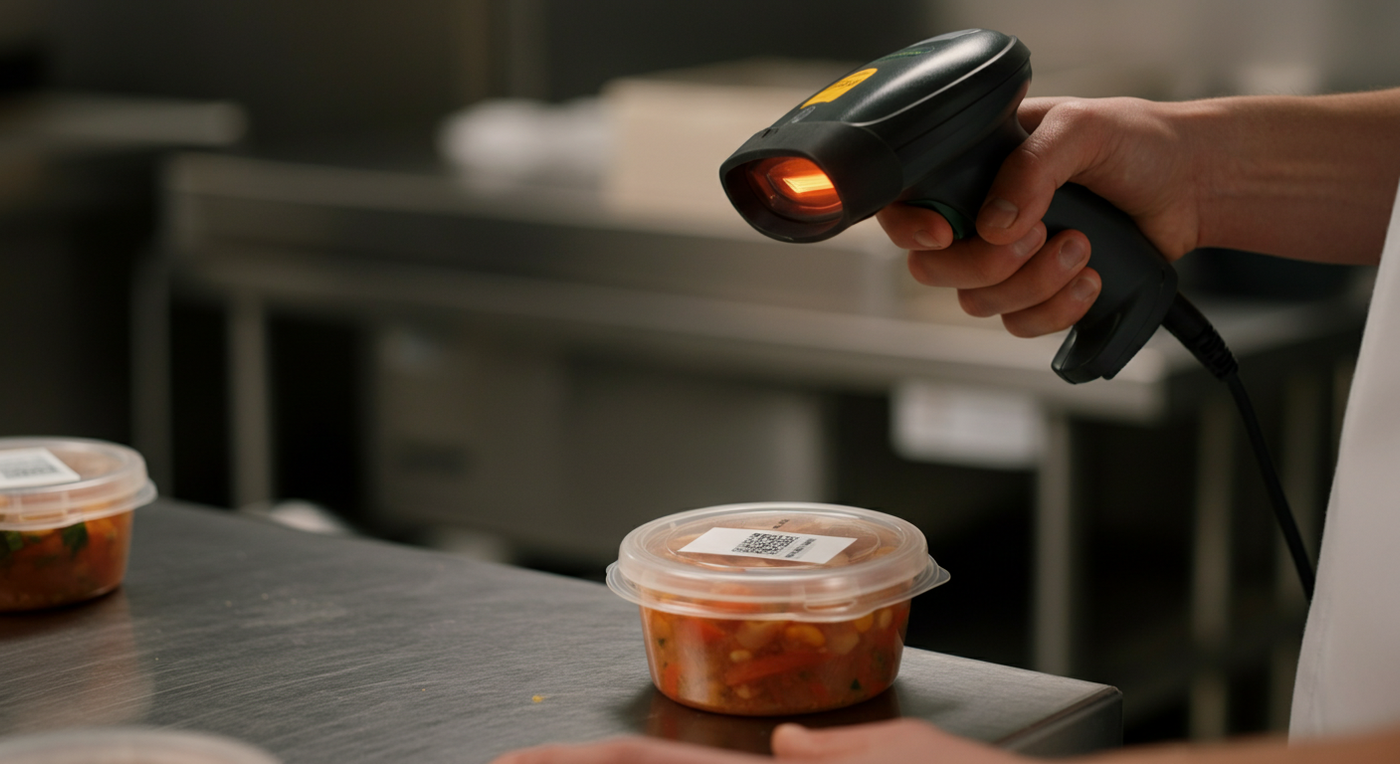
The objection is always the same: nobody has time to record a batch on receipt. Fair. But the cost is one scan at goods-in, and what it buys is a stock figure that knows not just how much you hold but how long it has. That is the difference between an alert that says "you have 12kg of salmon" and one that says "4kg of your salmon expires Thursday".
It also changes what a stock count means. Counting 12kg tells you the total is right. Counting 12kg across two batches with known dates tells you whether tomorrow's prep list should be built around using one of them up.
What changes when FEFO is the rule
FEFO shifts the question from what do I have to what do I need to use first. That changes daily prep decisions. The prep list stops being a volume question and becomes a sequence question. You are not just asking whether you have enough chicken for tonight. You are asking which batch tonight's service should be built around. That is a different conversation, and it happens before the mise-en-place starts, not after the write-off.
The discipline compounds over time. One avoided write-off is a rounding error. A kitchen that runs FEFO consistently across every perishable line starts to see it in the margin: fewer end-of-week losses on the lines with the tightest shelf life, less over-ordering to cover for waste that was never inevitable. The discipline is not dramatic. It just stops the quiet drain.